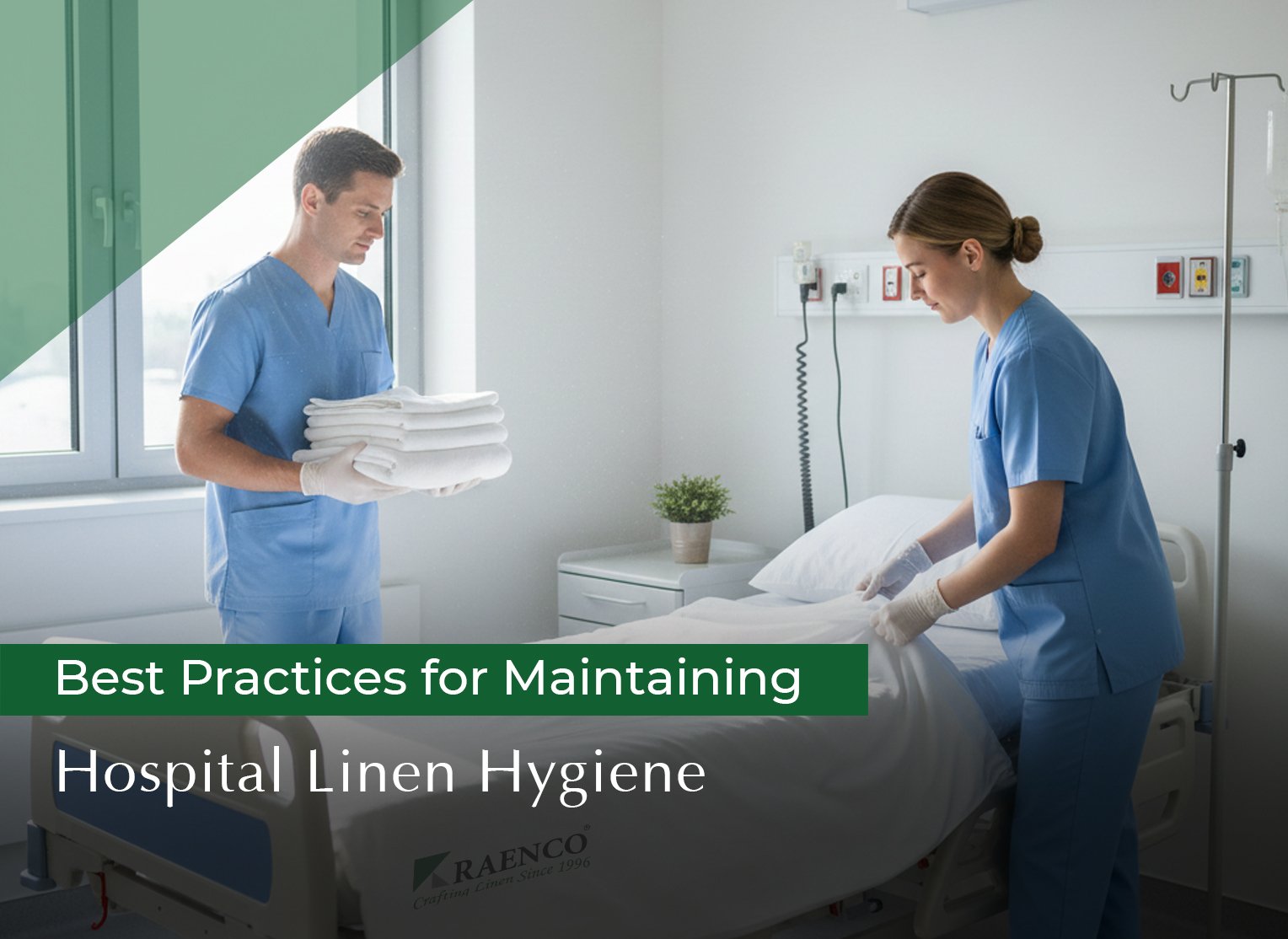
Hospital linen hygiene is a critical yet often underestimated component of healthcare quality and infection control. Every day, hospital textiles such as bed sheets, pillow covers, blankets, gowns, curtains, and towels come into close and repeated contact with patients, visitors, and healthcare professionals.
If these linens are not handled and maintained properly, they can become a major source of contamination and healthcare-associated infections (HAIs).
Maintaining strict hospital linen hygiene is not only about cleanliness; it is about patient safety, staff protection, regulatory compliance, and institutional credibility.
Why Hospital Linen Hygiene Is Important
Hospital linens can harbor harmful microorganisms such as bacteria, viruses, fungi, and spores if proper protocols are not followed. Pathogens can survive on fabrics for extended periods, making contaminated linen a silent carrier of infections.
Poor linen hygiene can lead to:
- Increased risk of healthcare-associated infections (HAIs)
- Cross-contamination between patients and staff
- Compromised patient recovery and comfort
- Regulatory non-compliance and penalties
- Damage to hospital reputation and trust
Maintaining high hygiene standards helps hospitals:
- Reduce infection transmission
- Improve patient confidence
- Protect healthcare workers
- Meet healthcare regulations
- Enhance hospital image and ratings
Types of Hospital Linen and Their Hygiene Risks
- Bed sheets & pillow covers – Direct skin contact, high contamination risk
- Patient gowns & uniforms – Exposure to bodily fluids
- Blankets & bedspreads – Often overlooked, trap pathogens
- Towels & washcloths – High moisture retention
- Curtains & privacy screens – Frequently touched, rarely washed
Best Practices for Hospital Linen Hygiene
1. Proper Linen Segregation
Clean and soiled linens must never mix. Linen should be segregated at the point of use into lightly soiled, heavily soiled, and isolation linen.
Using color-coded bags and labeled containers prevents cross-contamination and ensures correct laundering.
2. Safe Handling and Collection
- Wear gloves, masks, and protective gowns
- Avoid shaking linens
- Roll linen inward
- Place directly into laundry bags
- Seal bags before transport
3. Controlled Transportation
Soiled linen must be transported using covered, leak-proof carts with strict separation between clean and dirty routes.
4. Effective Washing and Disinfection
- High-temperature washing (above 70°C when required)
- Hospital-approved detergents
- Separate cycles for isolation linen
- Automated chemical dosing
5. Proper Drying and Ironing
High-temperature drying and calendering provide additional thermal disinfection, improve linen quality, and extend fabric lifespan.
6. Clean Storage of Hospital Linen
- Clean, dry, dust-free storage
- Closed shelves or cabinets
- FIFO rotation
- Restricted staff access
7. Hygienic Distribution and Use
Use covered trolleys, avoid contaminated surfaces, and replace unused linens that enter patient rooms.
8. Choosing the Right Quality Hospital Linen
High-quality, medical-grade linens withstand repeated washing, resist bacterial retention, and maintain comfort.
9. Role of Linen Suppliers
Reliable suppliers ensure standardized quality, regulatory compliance, and technical support for linen care.
10. Regular Audits and Compliance Checks
Routine audits identify gaps in hygiene practices and support accreditation and regulatory inspections.
Conclusion
Maintaining hospital linen hygiene is fundamental to patient safety, infection prevention, and healthcare quality. Clean linen is not just comfort—it is care, safety, and trust.
FAQ
How often should hospital linens be changed?
Hospital linens should be changed daily or immediately after contamination with blood or body fluids. Isolation areas may require more frequent changes.
What temperature is recommended for washing hospital linens?
Hospital linens are typically washed above 70°C using medical-grade detergents to eliminate pathogens effectively.
Why is linen segregation important in hospitals?
Segregation prevents cross-contamination and ensures appropriate washing processes for different risk levels.
Can hospital linens spread infections?
Yes. Improper handling or storage allows microorganisms to survive and spread, increasing HAI risks.
What qualities should hospitals look for in a linen supplier?
Hospitals should choose suppliers offering medical-grade fabrics, regulatory compliance, durability, and expert care guidance.



Heya i’m for the primary time here. I found this board and I find It truly useful
& it helped me out a lot. I hope to provide something back and help others like you aided me.
Уникальная контент, и сам совсем недавно углублялся по данной проблеме.